
![[Light Blue] SilkSilky Spaghetti Strap Camisole Set 001](http://silksilky.com/cdn/shop/files/448538763.jpg?v=1781078396&width=1200)
![[Light Blue] SilkSilky Spaghetti Strap Camisole Set 002](http://silksilky.com/cdn/shop/files/1177323466_89706a55-35c5-45d0-bce7-d55dd4719d36.jpg?v=1781078396&width=1200)
![[Light Blue] SilkSilky Long Sleeve Lapel Collar Women's Pajamas 001](http://silksilky.com/cdn/shop/files/769307169_746adca2-e8a1-4b7e-8044-841ce2a12cb2.jpg?v=1770797401&width=1200)
![[Light Blue] SilkSilky Long Sleeve Lapel Collar Women's Pajamas 002](http://silksilky.com/cdn/shop/files/915803379_1c7f9174-b2a2-4a26-ab6f-9f2cef870e94.jpg?v=1770797408&width=1200)
![[Red] SilkSilky Long Sleeve Lapel Collar Women's Shirts 001](http://silksilky.com/cdn/shop/files/1070058201.jpg?v=1772776485&width=1200)
![[Red] SilkSilky Long Sleeve Lapel Collar Women's Shirts 002](http://silksilky.com/cdn/shop/files/1417626850.jpg?v=1772776487&width=1200)
![[Ivory] SilkSilky 3/4 Sleeve V Neck Nightgown&Robe Set 001](http://silksilky.com/cdn/shop/files/Ivory_SilkSilky_3_4_Sleeve_V_Neck_Nightgown_Robe_Set_001_C-201221039_0.jpg?v=1778736205&width=1200)
![[Ivory] SilkSilky 3/4 Sleeve V Neck Nightgown&Robe Set 002](http://silksilky.com/cdn/shop/files/Ivory_SilkSilky_3_4_Sleeve_V_Neck_Nightgown_Robe_Set_002_C-201221039_0.jpg?v=1778736205&width=1200)
![[Pink] SilkSilky Sleep Cap 001](http://silksilky.com/cdn/shop/files/SilkSilky_Pure_Silk_Sleep_Cap_Pink_001_C-250529006.jpg?v=1762221980&width=1200)
![[Pink] SilkSilky Sleep Cap 002](http://silksilky.com/cdn/shop/files/1738767123_1282c43b-9916-42b4-90f1-1050ec5516b3.jpg?v=1768284813&width=1200)

Mulberry silk is always considered the most expensive type of natural silk. Its suppleness and stronger fiber, both show its unique properties. When you start to buy mulberry silk bedding, it's helpful to know how mulberry silk is made.
The Production Process of Mulberry Silk
Mulberry silk is produced by the silkworms of the Bombyx Mori moth. The moth has only one task: to lay eggs. After it's laid about 500 eggs, its task is complete and it dies. The tiny, pinhead-sized eggs are kept at 65 degrees Celsius and the temperature is slowly and carefully raised to 75 degrees Celsius so that the eggs hatch.
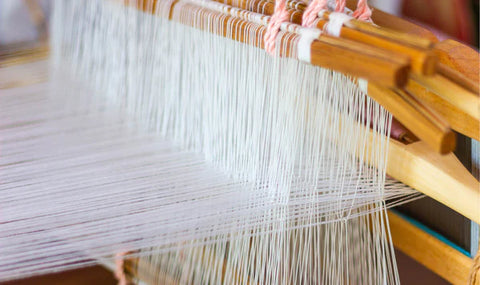
The tiny silkworms are fed exclusively mulberry leaves 24 hours a day, 7 days a week (mulberry leaves are the only food that the Bombyx Mori moth eats). After about a month of constantly feeding on mulberry leaves, the silkworms have increased their weight 10,000-fold and have built up enough energy to begin spinning their cocoon. It takes between three and eight days for the silkworm to spin the cocoon. That is why mulberry silk is so unique and expensive.
The cocoons are then kept in a warm place for several days. Great care is taken to prevent moths from hatching from the silkworms, as this would damage the cocoon and destroy the silk thread it weaves. To extract the silk from the cocoons, they're placed in water to soften the thread. The softened thread is then unwound from the cocoon. A thread can be up to 1,600 meters long. For one mulberry silk thread, 4-8 of the silk threads are woven together.

Silkworms may have a short life whose sole purpose is to provide silk, but that short life is a pampered life. Not only are they constantly supplied with fresh mulberry leaves, but their environment is strictly controlled so that they aren't exposed to loud noises and strong odors such as those of fish or human sweat.
Such complicated and careful care for the silkworms, then the great mulberry silk is created. It's a process that the Chinese developed and perfected thousands of years ago, making them the experts in producing the finest silk. So if you want to buy silk sheet or silk sleepwear, products made in China are your first choice.
Conclusion
The intricate process of producing mulberry silk, from the cultivation of silkworms to the extraction of silk threads, underscores the meticulous care and dedication involved in creating this luxurious fabric. With its unparalleled suppleness and strength, mulberry silk stands as a testament to nature's remarkable craftsmanship.
As consumers, understanding the journey of mulberry silk enhances our appreciation for its value and uniqueness. From the pampered life of silkworms to the expertise of Chinese artisans who have perfected silk production over millennia, each step contributes to the creation of the finest silk products.
Whether it's silk bedding or silk sleepwear, products crafted from mulberry silk exemplify luxury and elegance. When seeking quality silk products, choosing those made in China ensures access to centuries of expertise and tradition in silk craftsmanship. Embrace the luxury of mulberry silk and indulge in its timeless allure for a truly exquisite experience.


