


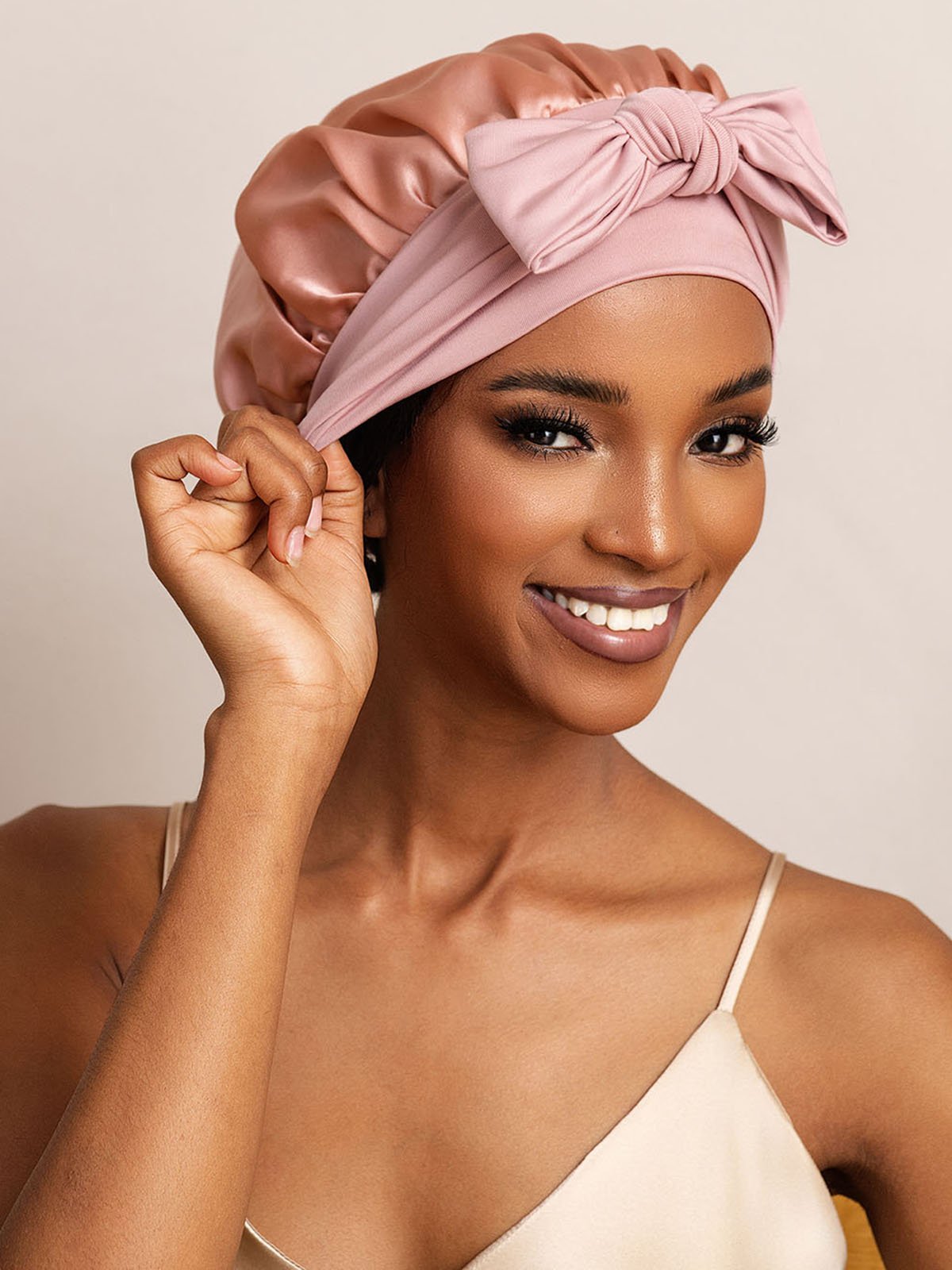


When shopping for luxurious bedding and sleep accessories, you will frequently encounter the terms "silk" and "satin" used side by side. At first glance, both materials seem to share a smooth surface and a soft, reflective sheen. This visual similarity often leaves shoppers asking a fundamental question: Is satin the same as silk?
The short answer is no. While both materials feel sleek to the touch, they are fundamentally different in origin, material structure, breathability, and how they interact with your skin and hair throughout the night.

Understanding the difference between a natural protein fiber and a synthetic weave pattern is essential to making an informed investment in your beauty and sleep hygiene. Here is everything you need to know about silk versus satin before making your choice.
1. Material Origins: Natural Fiber vs. Weave Pattern
The primary distinction between silk and satin lies in the fundamental difference between a raw textile fiber and a specific fabric weaving method. Confusing these two concepts is the most common reason consumers mistake synthetic bedding for genuine silk.
To choose the right pillowcase or nightwear, it helps to understand what each term actually represents.
The Nature of Pure Mulberry Silk
Pure silk is a natural protein fiber produced by silkworms, most notably the Bombyx mori moth fed exclusively on organic mulberry leaves. This natural origin endows silk threads with inherent biocompatibility with human skin, containing 18 natural amino acids that support moisture retention and dermal health.
The Definition of Satin Fabric
Satin is not a raw raw material, but rather a weave pattern characterized by a floating-thread technique that creates a smooth, glossy top surface and a dull back. While satin can theoretically be woven from natural silk threads, the vast majority of commercial satin sold today is made from synthetic polymers like polyester, nylon, or rayon.
2. Breathability and Temperature Regulation During Sleep
Sleep quality depends heavily on your body's ability to regulate its temperature throughout the night. The physical composition of your bed linens plays a direct role in either facilitating natural heat exchange or trapping hot air against your skin.
Natural fibers and synthetic petrochemical materials handle heat and moisture in drastically different ways.
Thermoregulation with Pure Silk

100% mulberry silk possesses natural thermoregulating properties. Its breathable protein structure features microscopic air pockets that allow heat and perspiration to dissipate during warm summer nights while insulating warmth during colder months. This makes silk ideal for hot sleepers or those experiencing night sweats.
Overheating and Sweating with Synthetic Satin
Synthetic satin made from polyester is essentially woven plastic. Polyester fibers lack natural permeability, creating an impermeable barrier that traps heat and perspiration around your head and neck. This trapped humidity leads to uncomfortable overheating, night awakenings, and restless sleep cycles.
3. Impact on Skin Health and Acne Prevention
Your face remains in direct contact with your pillowcase for roughly seven to eight hours every night. The fabric's absorption rate, friction level, and breathability directly influence clear skin maintenance and collagen protection over time.
Selecting between silk and synthetic options can significantly affect skin hydration and sensitivity.
Hydration and Anti-Aging Benefits of Silk

Mulberry silk is naturally non-absorbent, meaning it will not draw hydration out of your skin or absorb expensive nighttime serums and eye creams. Furthermore, its smooth surface exhibits minimal mechanical friction against delicate facial skin, helping prevent sleep creases and morning fine lines.
Pore Clogging and Breakouts from Satin
Because synthetic satin traps moisture and heat without breathing, it creates a warm, humid environment where skin oils, dead cells, and bacteria can accumulate overnight. For individuals prone to acne, rosacea, or sensitive skin, sleeping on non-breathable polyester satin can trigger inflammation and frequent breakouts.
4. Hair Care: Friction, Static, and Moisture Retention
If you are seeking smoother hair, reduced morning frizz, and protection against split ends, material selection is vital. Both materials are advertised for hair care due to their smooth textures, but their long-term performance differs substantially.
Protecting delicate hair fibers requires both low friction and balanced moisture retention.
Nurturing Hair Health with Mulberry Silk
Silk contains natural proteins that closely match the keratin structure of human hair. Sleeping on a smooth silk surface prevents friction-induced hair breakage, preserves your hair's natural moisture balance, and eliminates morning bedhead without generating static electricity.
The Limitations of Synthetic Satin for Tangles
While polyester satin does offer a slick surface that allows hair to glide, synthetic fibers build up electrostatic charges easily. Static electricity causes hair shafts to fly away and tangle overnight, while the non-breathable nature of polyester can cause scalp sweating and limp, oily roots by morning.
5. Identifying Genuine Mulberry Silk vs. Synthetic Alternatives
Navigating textile labels requires a careful eye, as marketing terminology often obscures the true material content of bedding products. Many synthetic satin products are intentionally packaged using misleading labels such as "silk-soft," "silky satin," or "satin silk."
Knowing how to verify authentic silk guarantees you receive genuine natural luxury and lasting durability.
Reading Fabric Labels Accurately
Always inspect the physical care label for the explicit statement "100% Pure Mulberry Silk." If a label simply states "Satin" without detailing fiber content, it is almost certainly 100% synthetic polyester. Look for specific quality metrics like 22-Momme weight and Grade 6A long-strand silk.
Quality and Longevity Considerations
Authentic mulberry silk crafted with high momme weight and strict manufacturing standards offers exceptional durability. When cared for properly with mild pH-neutral detergent and gentle washing, a genuine silk pillowcase maintains its luster and structural integrity for years, outlasting flimsy synthetic satin that pills and snags easily.
FAQ
Can satin be made of real silk?
Yes, satin is a style of weave, so silk threads can be woven into a satin pattern (often referred to as silk satin or silk charmeuse). However, unless a product specifically states "100% Mulberry Silk," almost all affordable satin products on the market are made from synthetic polyester.
Is a satin pillowcase better than a cotton pillowcase?
A synthetic satin pillowcase creates less mechanical friction on hair than a rough cotton pillowcase, which can help reduce immediate hair tangles. However, polyester satin is far less breathable than cotton and can cause skin overheating and breakouts. Pure mulberry silk outperforms both cotton and satin in breathability, skin hydration, and friction reduction.
Why is pure silk more expensive than synthetic satin?
Silk is a natural, labor-intensive material harvested from silkworms through carefully monitored agricultural processes. Synthetic satin is mass-produced from petroleum-based polyester polymers, making it far cheaper to manufacture but lacking silk's natural health, breathability, and skin-soothing benefits.
How do I know if my pillowcase is real silk or polyester satin?
Check the care tag first for "100% Pure Mulberry Silk." Real silk has a soft, organic sheen with multi-dimensional luster, whereas polyester satin has a harsh, metallic shine. Furthermore, real silk regulates temperature instantly upon touching the skin, whereas synthetic satin rapidly warms up and traps heat.
Conclusion
When asking whether satin is the same as silk, the distinction comes down to pure natural luxury versus synthetic imitation. While polyester satin may visually mimic silk's surface glow at a lower price point, it lacks the breathability, natural amino acids, hypoallergenic qualities, and thermoregulating comfort that true mulberry silk provides.
Investing in a SilkSilky 100% pure mulberry silk pillowcase guarantees that your skin and hair receive authentic natural care every single night. Upgrade your sleep sanctuary today with genuine silk expert craftsmanship and experience the difference that natural luxury brings to your rest.


